
Ballroom Partner Dance Essentials
Master the fundamentals of ballroom dancing. Learn frame, lead and follow, and how to find the right dance partner for evening events.
Why Partner Connection Matters
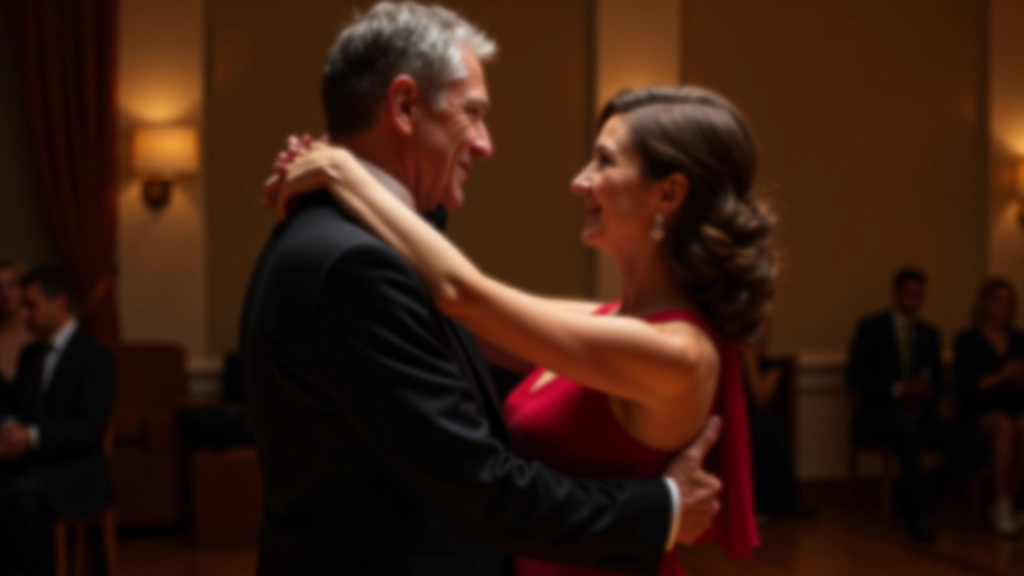
Ballroom dancing isn't just about moving your feet. It's a conversation between two people through movement. When you're 45 and looking to join evening social dances across Switzerland, understanding the fundamentals of partner connection becomes your foundation for success. Whether you're attending a weekly social in Zurich or a seasonal festival in Geneva, these essentials will give you the confidence to step onto any dance floor.
The beauty of ballroom dancing at any age is that it doesn't require years of prior experience. What it does require is a willingness to learn, respect for your partner, and understanding of how to communicate through your body. Most dancers notice real improvements within 4-6 weeks of consistent practice. You'll develop better posture, improved coordination, and genuine connections with other dancers in your community.

Understanding Your Frame
Frame is the structure that connects you and your partner. It's not about being rigid or stiff — that's a common misconception. Your frame should feel strong yet flexible, like a bridge that can handle movement without collapsing.
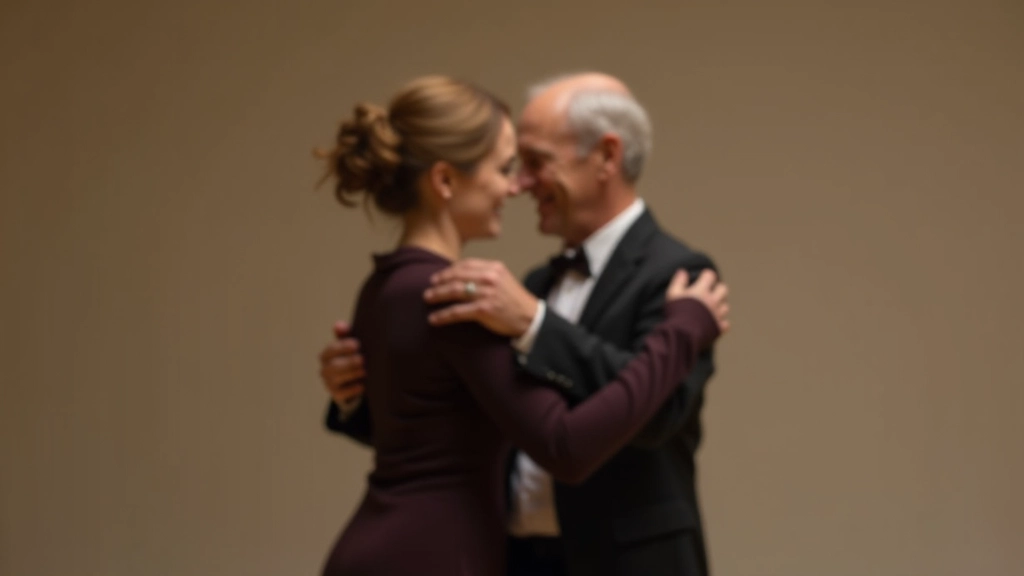
In ballroom dancing, the lead's left hand holds the follow's right hand at about shoulder height. Your right arm wraps around your partner's back, hand placed between the shoulder blades. The follow's left arm rests on the lead's upper arm or shoulder. There's about 12 inches of space between your bodies depending on the style you're dancing — waltz tends to be closer, quickstep more open.
Don't think of frame as something you create and then freeze. It's dynamic. It adjusts, it communicates, it responds. Your partner should feel your intentions through the frame before your feet even move. If you're leading a turn, your frame initiates that turn. If you're following, you're reading the frame's signals and responding. It's this constant conversation that makes ballroom dancing feel so satisfying.

The Lead and Follow Dynamic
The lead isn't about being bossy. It's about being clear. As the lead, you're responsible for deciding what comes next and communicating it through your body. You're not dragging your partner around the floor — you're inviting them into the movement. A good lead feels almost effortless to follow because the signals are unmistakable.
Following is equally important and requires real attention. You're not just watching your lead's feet and copying them. You're listening through the frame, responding to pressure changes, weight shifts, and directional cues. The best followers don't wait to see where they're going — they feel it coming and arrive there naturally.
One thing dancers at social events often discover: you'll switch roles. A woman might lead a tango, a man might follow a waltz. This builds understanding of both perspectives. You become a better dancer when you've felt what it's like on both sides. Plus, it keeps social dances more flexible and fun.
Key Techniques to Master
Posture and Alignment
Stand tall with your shoulders back and down. Your core stays engaged throughout the dance. This isn't just about looking good — proper alignment prevents injury and lets you move more efficiently. Most dancers feel the difference in their back after just one session of correct posture work.
Weight Transfer
Ballroom dancing is all about moving your weight from one foot to the other with control. You're never truly standing still — even in the slowest waltz, there's movement and momentum. Smooth weight transfers create the flowing quality that makes ballroom look effortless.
Rise and Fall
In waltz and foxtrot, you're literally rising and falling on the balls of your feet. This creates that characteristic smooth, gliding motion. It takes practice to coordinate with your partner, but when you get it right, it feels magical.
Hip Motion
Hip action comes from your legs and core, not from twisting your upper body. In Latin dances like rumba, hip motion is essential. In standard dances like waltz, it's subtle but still present. Understanding how your hips move independently from your upper body opens up so much potential.
Connection and Resistance
There's a slight tension in the frame that creates connection. It's not rigid — imagine it like two dancers gently resisting each other while moving together. This resistance allows information to flow between you and your partner instantly.
Footwork Timing
Each ballroom style has its own timing and rhythm. Waltz is 3/4 time, quickstep is fast 4/4, tango has a distinctive staccato rhythm. Your feet need to match the music's pulse while your upper body remains stable. This coordination improves dramatically with repetition.
Finding and Working with Your Dance Partner
Here's what many dancers learn at Swiss social events: you don't need to have the same partner every single time. That said, practicing regularly with one person accelerates your progress dramatically. You learn each other's timing, preferences, and movement patterns.
When you're looking for a practice partner, compatibility matters more than skill level. Someone at your level who's genuinely interested in improving is worth more than someone more experienced who's impatient or dismissive. Chemistry isn't just romantic — it's about two people genuinely wanting to help each other improve.
Communication outside the dance is equally important. Talk about what you're each trying to work on. If your partner is struggling with a particular turn, that becomes a focus. If you're working on frame, make that the priority for a few weeks. This intentional approach transforms random practice sessions into real skill development.

Starting Your Ballroom Journey
Ballroom dancing at 45, 50, or beyond isn't about becoming a champion. It's about finding a community, enjoying the music, moving your body with intention, and connecting with another person. These essentials — frame, lead and follow, technique, and partnership — are your toolkit.
The social dance scene across Switzerland is welcoming. Whether you're in Bern, Lausanne, Basel, or Lucerne, there's a community of mature dancers eager to share this passion. Start with one evening event. Find a patient partner. Focus on the fundamentals. After a few weeks of consistent practice, you'll notice yourself moving differently, feeling more confident, and genuinely enjoying the social aspect of the dance.
Don't worry about being perfect. The dancers you'll meet at socials aren't worried about perfection either. They're there for the same reason you are — to move, to connect, and to be part of something fun and meaningful. Your willingness to learn and show up is all you need.
Ready to Get Started?
Explore local ballroom events and social dances in your area. Check our related articles for specific communities and upcoming festivals across Switzerland.
Browse Dance EventsDisclaimer
This article is provided for educational and informational purposes only. The techniques and advice described are general guidance based on ballroom dance fundamentals. Individual results vary based on personal fitness level, prior experience, and practice frequency. If you have any physical limitations, injuries, or health concerns, it's recommended to consult with a healthcare professional before beginning any new dance or exercise program. Always prioritize safety and listen to your body during training and social dancing.
Related Articles